Creative Ways to Reuse and Recycle Packaging Materials

Creative Ways to Reuse and Recycle Packaging Materials: The Complete UK Guide
If you've ever flattened a mountain of cardboard after a delivery marathon, you know the feeling: there must be a smarter way. The good news? There is. This in-depth guide explores creative ways to reuse and recycle packaging materials at home and at work so you save money, declutter, and do right by the planet--without turning your living room into a craft studio (unless you want to). We'll blend practical steps, expert tips, UK regulations, and real-world examples so you can act with confidence today, not someday. To be fair, it's easier than you think.
On a drizzly Tuesday in Leeds, you could almost smell the cardboard dust in the air as we sorted boxes by size. A neighbour popped in to ask if bubble wrap can go in the kerbside bin. It can't (usually). Moments like that--small, real--are where sustainable change starts. You'll see why in a minute.
Table of Contents
- Why This Topic Matters
- Key Benefits
- Step-by-Step Guidance
- Expert Tips
- Common Mistakes to Avoid
- Case Study or Real-World Example
- Tools, Resources & Recommendations
- Law, Compliance or Industry Standards (UK-focused)
- Checklist
- Conclusion with CTA
- FAQ
Why This Topic Matters
Packaging is everywhere. From your morning parcel to the weekly food shop, packaging protects goods, reduces food waste, and simplifies logistics. Yet, it also accounts for a significant portion of household waste in the UK. According to industry analyses and WRAP guidance, paper and cardboard typically form the largest recyclable stream by weight in many homes, while plastic films and complex laminates too often end up in general waste. We can do better.
Choosing creative ways to reuse and recycle packaging materials reduces landfill pressure, cuts carbon emissions, and saves resources. It also saves you cash--yes, really--by replacing products you no longer need to buy. Ever repurposed a sturdy shoe box into a cable organiser? That's ?10 saved on a storage bin. Small wins add up.
And there's a bigger backdrop: extended producer responsibility (EPR) for packaging is reshaping how UK businesses handle materials and report waste. Households are also under growing pressure to separate waste correctly as councils expand kerbside services. So whether you're decluttering your flat in London or running a small e-commerce shop in Bristol, learning to reuse, upcycle, and recycle packaging is genuinely empowering.
One more thing. It's kinda wild how quickly packaging stacks up during busy seasons--Black Friday, Christmas, back-to-school. A quick plan now keeps January tidy. Clean, clear, calm. That's the goal.
Key Benefits
Reusing and recycling packaging isn't just a good deed. It's strategic. Here are the top benefits you'll notice almost immediately:
- Cost savings: Reuse boxes, void fill, and tape dispensers; reduce spend on storage containers and packing supplies.
- Space reclaimed: Flattened cardboard and organised reuse stock means fewer tripping hazards and a calmer home or storeroom.
- Lower environmental impact: Recycling aluminium and paper saves significant energy compared to virgin production; reusing materials is even better on the waste hierarchy.
- Compliance and credibility: For businesses, smart reuse and recycling supports ISO 14001, EPR data accuracy, and customer trust. Consumers increasingly expect to see it.
- Creative joy: Upcycling taps into a little dopamine hit--turning something plain into something useful or beautiful. Sounds simple. Works wonders.
A quick micro-moment: a parent in Surrey once told me their child's art supplies now live in a former biscuit tin--clinks softly when opened, a little ritual before homework time. Not glamorous, but lovely.
Step-by-Step Guidance
Below is a practical, no-fuss sequence you can follow at home or in a small business. Adapt it as needed. The aim is to make reuse and recycling second nature.
1) Sort by Material Type
- Paper & card: Corrugated boxes, cereal boxes, kraft paper, envelopes (remove plastic windows if required by your council). Flatten everything.
- Plastics: Separate rigid items (bottles, trays, tubs) from soft films (carrier bags, bubble wrap, crisp packets). Most councils take rigids; films may require store drop-off.
- Glass: Jars and bottles. Remove lids (metal lids often recyclable separately), rinse.
- Metals: Aluminium cans, steel tins, some foil trays (cleaned). Pro tip: scrunch foil into a ball so it doesn't get lost at sorting facilities.
- Composites & mixed: Cartons (Tetra Pak), padded mailers, coffee pods. These may need special collection or store take-back.
Sorting becomes instinctive after a week. Truly. And yes, you will feel a tiny glow of pride when it flows smoothly on a busy morning.
2) Clean, Dry, and Prepare
Contamination ruins loads. To keep your recycling high-quality:
- Rinse food containers lightly (no need to scrub obsessively).
- Dry items if your council asks for it--wet paper/card can cause problems.
- Flatten cardboard; remove tape where feasible; collapse plastics to save space.
Pro tip: keep a small brush by the sink to whisk off crumbs. It makes a surprising difference on a busy evening when dinner's bubbling and the kitchen smells like garlic and thyme.
3) Create a Reuse Station
Designate a spot--cupboard, under-stairs space, or a couple of stackable crates--for materials in good condition. Label clearly:
- Boxes (S/M/L): Keep 3-5 of each size max to avoid hoarding. Rotate first-in, first-out.
- Void Fill: Tissue, kraft paper, air pillows, shredded paper. Store compactly.
- Protective Wrap: Bubble wrap, corrugated sleeves, foam corners.
- Jars & Tins: Washed glass jars for pantry storage; tins for DIY tool holders.
Yeah, we've all been there--saving fifty boxes "just in case." Limit the stash. Future-you will thank present-you.
4) Upcycle with Purpose
Pick projects that solve real problems in your life or workspace. A few of our favourite creative ways to reuse and recycle packaging materials:
- Home storage: Shoe boxes as drawer dividers; wine boxes for boots or craft supplies.
- Gift wrapping: Brown kraft paper plus twine looks chic; decorate with leaf prints or stamps.
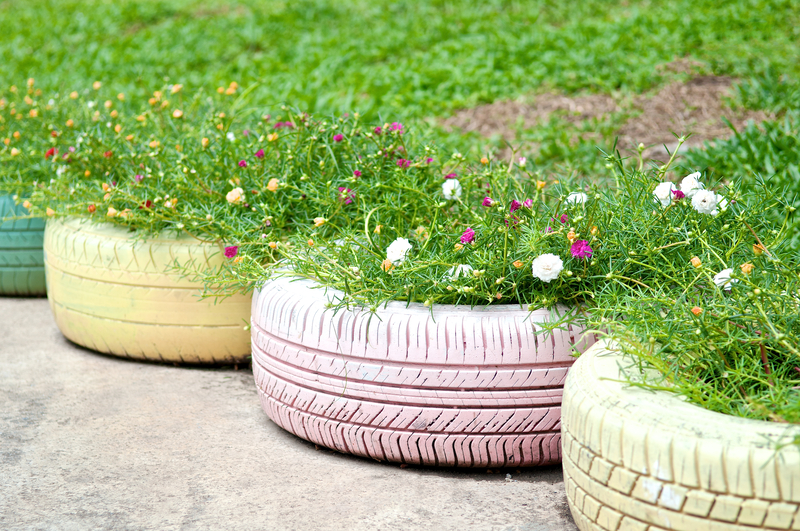
- Garden helpers: Cardboard as weed suppressant under mulch; egg cartons for seedlings.
- Kids' projects: Build a play shop with cereal boxes; turn tubes into telescope props--instant adventure.
- Office organisation: Cut-down boxes as in-trays; jar pencil pots; tin can cable cups (file any sharp edges).
- Move-day kits: Keep a standard pack of small boxes, tape, labels. Saves a frantic dash to the shop.
Tip: if it doesn't serve a purpose in seven days, recycle it. Otherwise you're just babysitting clutter.
5) Recycle Confidently
Check your local council's A-Z. In the UK, the OPRL label on packs helps: "Recycle," "Check Locally," "Not Yet Recycled." Follow it. When in doubt, leave it out to avoid contamination. For tricky items:
- Plastic film: Many supermarkets accept carrier bags and soft plastic film at front-of-store points.
- Cartons: Often collected kerbside, but check; else use carton bring banks.
- Batteries: Retail collection points; never in recycling bins--fire risk.
- Polystyrene: Rarely recycled at kerbside; try to reuse or take to specialist sites.
Remember the waste hierarchy: Prevent > Reduce > Reuse > Recycle > Energy recovery > Disposal. Reuse beats recycling. Every time.
6) Measure and Improve
Simple tracking builds momentum:
- Count how many boxes you reuse each month.
- Track contamination incidents (e.g., food residue, wet paper). Fix the cause.
- Set a tiny target: "Reduce packaging purchases by 25% this quarter."
Ever tried clearing a room and found yourself keeping everything "just in case"? The numbers gently push you toward better choices. Encouraging, not nagging.
Expert Tips
These ideas come straight from sustainability practitioners, facilities managers, and householders who've made it work in the real world:
- Choose reusable systems first: Opt for refill pouches, returnable crates, and glass jars with airtight lids. Bonus: looks nice on open shelves.
- Cut the tape: Paper tape with plant-based adhesive is widely recyclable with cardboard. It tears cleanly--satisfying, actually.
- Decant smartly: Reusing bottles and jars? Label them. No one likes mystery liquids under the sink.
- Batch your drop-offs: Keep a tote bag for film plastics and take it when you do a supermarket run. Habit stacking just works.
- Protect fragile goods creatively: Use scrunched paper, corrugated wrap, or shredded mail. Avoid glittery or foil-heavy papers; they're usually not recyclable.
- Standardise box sizes (for SMEs): 2-3 sizes reduce void fill, storage space, and courier costs. Consistency equals savings.
- Ask suppliers for better packaging: Many will switch to recycled content, OPRL-labelled packs, or minimal void fill if you ask. It's a nudge that works.
- Create a 'free box' corner: In flats or offices, a small spot for shareable packaging (clean, good condition) spreads the reuse love.
Small confession: the satisfying thunk of a perfectly flattened box is a little habit-forming. You'll see.
Common Mistakes to Avoid
- Over-hoarding: Keeping 30 boxes "for the move next year" just eats space. Keep a practical cap.
- Contamination: Food-soiled paper, oily pizza boxes, or wet cardboard can ruin the whole batch. If in doubt, tear off the clean lid and recycle that.
- Wishcycling: Tossing non-recyclable film, foam, or glittery paper in the bin marked "Recycling" doesn't help. It costs councils--and the planet.
- Skipping the rinse: A 10-second rinse prevents smells, flies, and rejected loads. Worth it.
- Ignoring labels: The OPRL system exists for a reason. "Check Locally" isn't a dare; it's a prompt.
- Unsecured storage: Loose knives or tools in repurposed tins can be hazardous. File edges; add cork or tape.
Truth be told, everyone slips up sometimes. Fix it next time and move on. No eco-guilt needed.
Case Study or Real-World Example
Case Study: Independent Online Shop in Manchester
It was raining hard outside that day as Leah, who runs a small homeware shop from her terrace, looked at a stack of delivery boxes taller than her kettle. She'd been buying new shipping supplies each month. Costs were creeping. Space was tight. And her recycling bin--always overflowing by Tuesday.
Here's what changed:
- Box audit: She measured incoming boxes and matched them to her most common order sizes. Result: three standard sizes for reuse.
- Switch to paper tape: Recyclable with cardboard and no plastic tape tangles. Staff loved it; fewer clogged tape guns.
- Void fill reshuffle: Tissue and kraft from supplier deliveries went into a labelled crate. Bubble wrap was reserved for ceramics only.
- Customer note: A card explaining reused packaging, with a friendly, "It's not pretty, but it's kinder to the planet--thanks." Returns didn't budge. Compliments actually increased.
- Monthly tracking: She logged boxes reused and new materials bought. In three months, packaging spend dropped 38% and the recycling bin lid finally closed.
Micro moment: Leah kept one especially sturdy tea box as her "tools box"--tape, scissors, pen. It sits by the window. Sunlight hits it in the afternoon. Calm.
Tools, Resources & Recommendations
Equip yourself for success. You don't need fancy kit, but a few smart tools and sources help:
For Households
- Label maker or marker pens: Clear labels reduce rummaging and frustration.
- Paper tape & dispenser: Fast, clean, recyclable. Choose FSC-certified paper where possible.
- Stackable crates: One for "Reuse," one for "Recycle," one for "Store drop-off." Simple, visual.
- Moisture sensors or silica gel: If you store cardboard in lofts/sheds, keep it dry to prevent mould.
For SMEs and Offices
- Standard box sizes: Pick 2-3 sizes that fit 80% of orders; reduce void fill.
- OPRL-labeled packaging: Helps customers recycle correctly; improves return experience.
- Bale or compactor (if volume justifies): For high cardboard throughput; reduces collections and cost per tonne.
- Weighing scales: Track packaging usage and waste by weight for EPR reporting or ISO 14001 objectives.
- Supplier scorecard: Rate suppliers on recycled content, minimal packaging, reusability.
Trusted UK Resources
- WRAP (Waste & Resources Action Programme): Guidance on household and business recycling best practice.
- DEFRA and local council pages: Up-to-date kerbside rules, contamination guidance, and A-Z lists.
- OPRL: On-Pack Recycling Label scheme used by many brands--learn what the labels mean.
- HMRC: Plastic Packaging Tax rates and rules; always check current rates.
- BS EN and ISO standards: Especially BS EN 13427 family for packaging and ISO 14001 for environmental management systems.
Ever tried finding out if a black plastic tray is recyclable in your area? It's maddening. Bookmark your council's page; five seconds to check saves a rejected load later.
Law, Compliance or Industry Standards (UK-focused if applicable)
UK packaging rules are evolving--fast. Here's the essential snapshot for households and businesses in 2025 and beyond. Always verify current guidance with official sources as timelines can shift.
Waste Hierarchy and Duty of Care
- Waste Hierarchy (Environmental Protection Act and related regs): Prioritise prevention and reuse, then recycling. Courts and regulators expect you to follow this logic.
- Duty of Care (s34 Environmental Protection Act 1990): Businesses must store waste securely, use authorised carriers, and maintain a waste transfer note. Households should follow council rules to avoid contamination.
Packaging Producer Responsibility and EPR
- Producer Responsibility Obligations (Packaging Waste) Regulations: Historically required obligated businesses to finance recycling based on tonnages handled.
- Extended Producer Responsibility (EPR) for Packaging: Phased reforms requiring more detailed data reporting and fees reflecting the cost of managing packaging waste, especially household streams. Data reporting commenced in 2023; full cost-fees have been subject to phased timelines. Expect broader financial responsibility from 2025 onward.
- Data accuracy: Keep meticulous records of packaging types, weights, and recycled content claims. Auditable. No guesswork.
Plastic Packaging Tax (PPT)
- Applies to plastic packaging manufactured or imported into the UK with less than 30% recycled content.
- As of April 2024, the rate is ?217.85 per tonne. Rates are reviewed annually--check HMRC for the current rate.
- Businesses should verify recycled content documentation from suppliers and maintain evidence.
Labeling and Design Standards
- OPRL scheme: Widely adopted UK labelling that helps consumers recycle correctly. Use it if you can.
- BS EN 13427-13432 series: Addresses packaging minimisation, reuse, material recovery, and compostability performance.
- ISO 14001 (Environmental Management Systems): Useful framework for SMEs to track, manage, and continually improve environmental performance, including packaging.
Local Council Rules
- Kerbside collections differ: Some accept cartons and plastic film; others don't. Follow local guidance to avoid contamination penalties or missed collections.
- Bulky polystyrene and flexible foams are typically not accepted kerbside; reuse or take to specialist sites.
Regulation can feel dry, but it's the backbone of consistent, trustworthy practice. Follow it and you'll sleep better. Honestly.
Checklist
Use this quick checklist to embed creative ways to reuse and recycle packaging materials into your week. Pin it to the fridge or the stockroom door.
- Sort by material: Paper/card, plastics (rigid/film), glass, metals, composites.
- Prepare properly: Rinse, dry, flatten; remove heavy tape where possible.
- Reuse station: Keep only 3-5 of each box size; label crates for void fill and protective wrap.
- Upcycle with purpose: Storage, gifting, garden use, kids' projects, office organisers.
- Follow local rules: Check OPRL labels and council guidance; avoid wishcycling.
- Track progress: Boxes reused, materials purchased, contamination incidents.
- Engage suppliers: Request recycled content, minimal packaging, and clear labelling.
Two minutes a day. That's often all it takes.
Conclusion with CTA
Adopting creative ways to reuse and recycle packaging materials isn't a grand gesture--it's a series of small, calm choices. The box you don't buy. The jar you rinse. The note you leave a customer explaining why their parcel arrived in a previously loved box. These are gentle habits that add up to real impact.
If you're a homeowner, start with one drawer. If you're a business, start with one product line. You'll feel the shift: less waste, lower costs, tidier spaces. And a bit more pride, quietly.
Get a free quote today and see how much you can save.
Take a breath. You're doing great--one box, one bottle, one small decision at a time.
FAQ
What are the easiest items to reuse before recycling?
Sturdy cardboard boxes, tissue and kraft paper for void fill, glass jars for pantry storage, and padded envelopes for returns or gifts. These give instant value without any tools.
Can I recycle bubble wrap and plastic film at home?
Most UK kerbside schemes don't accept soft plastics yet. Check your council's guidance. Many supermarkets offer front-of-store drop-off points for carrier bags and some films.
Are pizza boxes recyclable in the UK?
Only the clean parts. If the base is greasy, tear off the clean lid to recycle and put the oily part in general waste or food waste (if your council accepts it). Grease contaminates paper fibres.
How many boxes should I realistically keep for reuse?
For households, 3-5 of each common size is enough. For SMEs, keep stock that covers a month's orders without overflowing storage. Set a cap and stick to it.
Is paper tape really better than plastic tape?
Yes. Most paper tapes with plant-based adhesives can be recycled with cardboard, whereas plastic tape is removed at facilities and can reduce fibre quality. It also tears more neatly. Win-win.
What's the best way to store reused packaging so it doesn't take over?
Flatten boxes, stack by size, and use labelled crates for void fill and wraps. Keep it dry and off the floor. Review weekly and recycle anything you haven't used in a month.
Do OPRL labels apply to everything?
Many brands in the UK use OPRL labels, but not all. When present, trust them. If there's no label, check your council's A-Z or the brand's packaging guidance online.
What is EPR and will it affect small businesses?
Extended Producer Responsibility increases the costs and data requirements for packaging placed on the market, particularly for household packaging. Small businesses may have thresholds, but many still need to report data. Check DEFRA updates and your trade body.
How do I know if plastic packaging has 30% recycled content for tax purposes?
Suppliers should provide documentation or certification. Keep records for audits. If you can't verify, assume it doesn't qualify and plan accordingly.
Are there reusable alternatives to bubble wrap?
Yes: corrugated wrap, moulded pulp trays, crumpled kraft paper, and reusable textile-based wraps. For very fragile items, a combination of paper wrap and corner protectors often works well.
Can I compost paper packaging at home?
Plain kraft paper and uncoated cardboard can be composted or used as mulch/weed suppressant. Avoid glossy, heavily dyed, or plastic-coated papers. Shred into small pieces for quicker breakdown.
Is it worth buying a cardboard shredder?
If you're an SME with regular cardboard intake, yes. Shredded card makes excellent protective void fill, reducing new materials purchased. For households, usually not necessary.
What should I do with polystyrene packaging?
Kerbside collection is rare. Reuse for cushioning or drop at specialist recycling sites if available. When ordering, request alternatives from suppliers to avoid it altogether.
How can I encourage my family or team to get involved?
Make it easy and visible: clear signage, colour-coded bins, simple rules, and track small wins (like "10 boxes reused this week"). Add a little celebration. It works.
Do I need a waste carrier licence for transporting recyclable materials?
Businesses transporting their own waste may need to register as a lower-tier waste carrier. Check the Environment Agency guidance to ensure you're compliant.
What are some unexpected upcycling ideas for packaging?
Wine dividers as sock organisers, jar lids as mini paint palettes, cereal boxes cut into drawer labels, and tin cans as herb planters (with drainage holes). Simple, charming.
How do I avoid buying unnecessary packaging in the first place?
Choose refill stations, buy loose produce, opt for concentrated products, and pick brands with minimal, easily recyclable packaging and clear OPRL labels. Vote with your basket.
Ever looked at a neat cupboard and felt instantly calmer? That's the quiet power of reuse and recycling done well. Keep going--you're closer than you think.