How to avoid hidden rubbish collection charges in Shoreditch
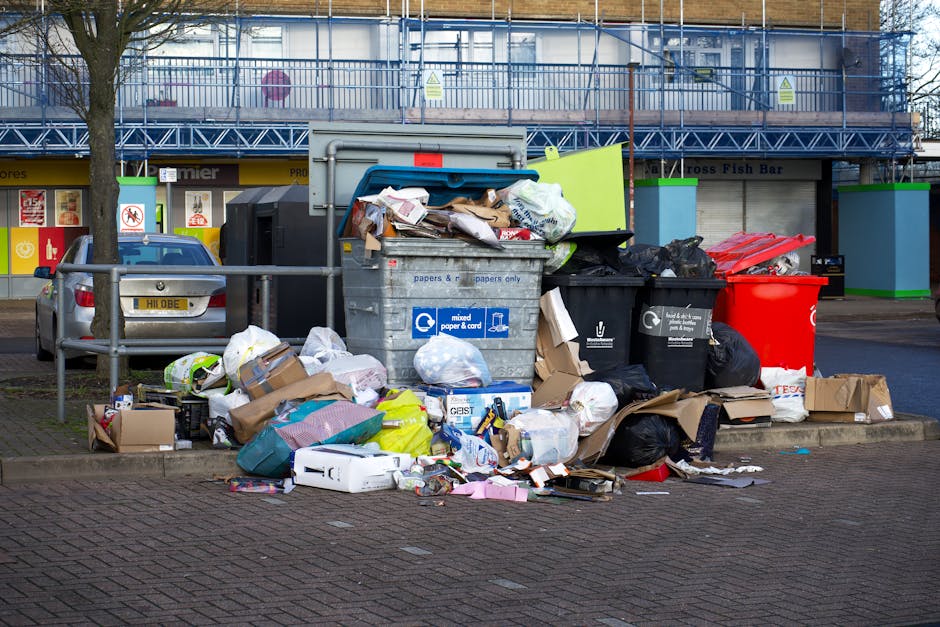
If you have ever booked waste removal and then spotted an extra fee that was never properly explained, you will know how frustrating it feels. Hidden rubbish collection charges can turn a simple clear-out into a small budgeting headache very quickly. In Shoreditch, where access can be tight, parking is tricky, and jobs often need to be done fast, it pays to know exactly what you are paying for before anything is booked.
This guide breaks down how to avoid hidden rubbish collection charges in Shoreditch in plain English. We will look at what usually causes unexpected costs, how to compare quotes properly, which questions to ask before you confirm, and how to choose a service that feels transparent from the first message to the final collection. Truth be told, a little preparation saves a lot of hassle.
Why avoiding hidden rubbish collection charges in Shoreditch matters
Hidden charges are not just annoying; they can distort the whole decision. A quote that looks cheap at first glance may stop being cheap once waiting time, heavy-item handling, permit needs, or access issues are added later. In a busy part of London like Shoreditch, those extras can creep in more easily than people expect.
The practical problem is simple: rubbish rarely comes in neat, standardised loads. One flat clearance might include a mattress, a broken wardrobe, a bag of soft furnishings, and an old fridge tucked behind a door frame that is awkward to move. That is exactly where pricing can shift. If you understand the structure of the job, you are far less likely to be caught off guard.
It also matters because waste services are often arranged under time pressure. You may be moving out, clearing a loft, finishing a building job, or simply trying to reclaim a spare room before the weekend. When you are rushed, you are more likely to agree to vague wording. And vague wording, let's face it, is where surprise charges live.
A transparent provider should be able to explain what is included, what is not, and what could change the price before the vehicle turns up. If you need a broader starting point for service types, the main rubbish removal page is a useful place to understand the sort of work that can be arranged.
How rubbish collection pricing usually works
Rubbish collection is usually priced around a few core factors: the volume of waste, the type of waste, the weight, the labour required, and any access or parking issues. The exact mix varies by provider, but the logic is broadly the same.
Here is the short version. If the job is easy to load, clearly described, and within the agreed collection size, pricing is usually straightforward. If the waste is mixed, unusually heavy, hard to reach, or not ready when the team arrives, extra costs can appear. That is not always unfair; sometimes it is simply the difference between the original description and the real-world job.
In Shoreditch, access can be the real swing factor. Narrow streets, limited stopping space, and busy collection windows may all affect how a job is handled. A collection that seems tiny on paper may still require careful planning. That is why a proper pre-booking conversation matters more than people think.
Some customers compare rubbish collection to skip hire, and the two do overlap in certain situations. If you want to explore the alternative route, the skip hire service and the skip sizes and prices page are helpful for understanding capacity and the factors that shape cost. For a clearer idea of what can and cannot be loaded, the what can go in a skip guide is especially useful.
One more thing: some services are strictly more suitable than others. A quick one-off clearance is not the same as a bulky office clearance, and a domestic sofa disposal job is not the same as a builders' load. Matching the service to the waste is one of the easiest ways to avoid hidden rubbish collection charges in Shoreditch.
Key benefits of getting pricing right
Getting the quote right from the outset is not only about saving money. It improves planning, reduces stress, and helps the collection run smoothly. A transparent job tends to finish faster, with fewer awkward phone calls and fewer surprises on the day.
- Clear budgeting: you know the full cost before you commit.
- Less admin: fewer back-and-forth calls to clarify add-ons.
- Faster collections: the team knows what they are collecting and where it is.
- Better service match: the right option is chosen for the waste type and access.
- Lower dispute risk: there is less chance of arguing over what was "included".
There is also a quieter benefit: peace of mind. You are not waiting for the invoice to tell you whether your afternoon got expensive. You already know.
For larger jobs, such as commercial premises or ongoing site work, this becomes even more important. A clear understanding of collection costs helps with planning and prevents budget drift. If that sounds familiar, the commercial skip hire and builders waste removal pages can give you a sense of how more structured waste jobs are usually handled.
Who this is for and when it makes sense
This advice is for anyone booking waste removal in Shoreditch who wants the price to stay predictable. That includes renters clearing out before moving, homeowners tackling a loft or garage, builders dealing with renovation debris, and office managers arranging a clearance after a refit.
It especially makes sense if your job involves any of the following:
- bulky items like sofas, wardrobes, or mattresses
- mixed waste, where not everything is the same type
- limited access, stairs, basements, or tight frontages
- short notice bookings or same-day work
- items that may need separate handling, such as appliances or confidential material
If you are dealing with household clutter, a house clearance or garage and loft clearance service may be more suitable than a basic man-and-van arrangement. For office moves and document-heavy jobs, the office clearance and confidential shredding pages are worth a look.
And yes, sometimes a simple rubbish collection is all you need. But only if the job really is simple. That distinction matters more than most people realise.
Step-by-step guidance
Here is the cleanest way to avoid hidden rubbish collection charges in Shoreditch.
-
Describe the waste properly.
List what you have, not just how many bags you think it is. Mention sofas, white goods, plasterboard, soil, timber, mattresses, or anything unusual. If you are unsure, say so. A rough but honest description is better than a guess that leads to a surcharge later.
-
Ask what the quote includes.
Look for labour, loading time, disposal, fuel, VAT, and access assumptions. A quote should make sense without requiring detective work. If it feels slippery, it probably is.
-
Check whether the price is based on volume, weight, or both.
That detail changes everything. Some jobs are priced by how much space the waste takes up. Others are affected by weight, especially if you are disposing of heavy materials or a dense mixed load.
-
Ask about access conditions.
Tell the provider about narrow roads, parking restrictions, stairs, or long carrying distances. If the team has to walk waste down several flights or wait for a space, there may be a fair adjustment. Better to know in advance.
-
Confirm how prohibited items are handled.
Fridges, some electrical items, certain chemicals, and other specialist waste can require separate treatment. The hazardous waste disposal page is useful if you need a clearer sense of what should never be left to chance.
-
Check for permit-related costs if a skip is involved.
If your project may need a skip placed on the road, ask about permissions and timing early. The skip hire permits and skip permits pages help explain why this can affect the total price.
-
Get the price in writing.
An email or booking confirmation is enough for most jobs. What matters is that the details are written down clearly enough to compare against the final invoice.
-
Prepare the waste before collection day.
Keep items together, remove anything you are not throwing away, and make access easy. A few minutes spent tidying the load can save a lot more than that in time-based fees.
If your job is close to the edge in terms of size or timing, it can also help to compare against wait and load skip hire or same day skip hire. Not every collection needs the same setup, and choosing the right format is often the real cost saver.
Expert tips for better results
After you have seen enough waste jobs, a few patterns become obvious.
First, be specific rather than optimistic. People often underestimate the volume of waste, especially when it is spread across a loft, a hallway, and a corner of the garden. A pile looks smaller from the kitchen door than it does when it is all stacked together. Funny how that happens.
Second, separate the waste if you can. Clear wood, green waste, rubble, and general household items are easier to assess when they are not all mixed into one heap. That makes pricing more transparent and can reduce the chance of reclassification on the day.
Third, photograph awkward items. A quick phone picture of a staircase, a bulky appliance, or an unusual pile can help a provider give a more realistic quote. You do not need a perfect gallery shot. Even a slightly blurred one at 8:12 in the morning is better than no context at all.
Fourth, ask about recycling expectations. A provider that takes waste sorting seriously is usually more disciplined overall. If sustainability matters to you, the recycling and sustainability page is worth reading alongside the waste recycling services page.
Fifth, think about the right method, not just the cheapest headline number. A van collection may look cheaper than a skip, but if you need several trips or a longer loading window, the final figure may not be lower. The best choice is the one that fits the job cleanly.
Common mistakes to avoid
Most surprise charges come from a fairly small set of errors. Once you know them, they are easy enough to avoid.
- Giving a vague description: "just some rubbish" is not helpful.
- Forgetting bulky items: one sofa can change a small job into a larger one.
- Ignoring access issues: tight roads and stair-heavy properties can alter the work involved.
- Assuming all waste is the same: mixed waste and specialist items are not treated alike.
- Not asking about permits: road placement may need additional planning.
- Leaving the load unprepared: if the team has to sort through it, the price may rise.
- Accepting unclear terms: if the quote is light on detail, ask again.
One of the most common mistakes is trying to make the job sound easier than it is. People do it to keep the quote low. I get it. But it often backfires. A slightly higher honest quote is usually better than a cheap one that gets adjusted later.
Tools, resources and recommendations
You do not need complicated tools to stay on top of pricing. A few simple habits will do most of the work.
- Photos: take clear pictures of the waste, access route, and any awkward items.
- Measurements: rough width, height, and length figures are often enough.
- A written list: note any large items, heavy materials, or special waste types.
- Calendar timing: check whether the job must be done on a fixed day or within a narrow window.
- Service comparison: look at whether skip hire, grab hire, or man-and-van collection best suits the site.
If you are still deciding between methods, the following pages are especially relevant:
- man and van for flexible smaller clearances
- grab hire services for larger or more awkward waste piles
- grab lorry hire where bulk pickup and access matter
- enclosed and lockable skip hire when security or mess control matters
- mattress and sofa disposal for common bulky household items
- fridge and appliance removal for white goods and similar items
For many readers, the most useful thing is simply having a clear comparison conversation before booking. No drama. No guesswork. That alone prevents a lot of expensive misunderstandings.
Law, compliance, standards and best practice
Waste removal in the UK sits within a wider framework of responsible handling, duty of care, and proper disposal. You do not need to become a compliance specialist to book a collection, but it helps to know the basics. A trustworthy provider should be able to explain how waste is transported, separated, and handled without making the process sound mysterious.
Best practice usually means the following:
- clear pricing terms before booking
- proper handling of restricted or hazardous waste
- responsible disposal and recycling where appropriate
- safe loading and transport procedures
- accurate information from the customer so the quote matches the job
If your clearance involves construction waste, the rules of thumb become even more important. Heavy inert material, mixed building waste, and site-based clearance jobs may all affect how the work is priced and delivered. The pages for construction waste disposal, construction waste clearance, builders skip hire, and site clearance are useful if your job is commercial or project-led.
For larger demolition-related jobs, the demolition waste removal page is a better fit. For soil, hardcore, and digging spoil, the muck away services page explains another common route. None of this is about making things complicated; it is about choosing the right disposal method so the final bill does not wander off in the wrong direction.
Options, methods and comparison table
Different waste jobs suit different collection methods. If you compare them properly, hidden charges are easier to spot because each option has a different pricing logic.
| Option | Best for | What to watch | Hidden charge risk |
|---|---|---|---|
| Rubbish collection | Smaller or mixed clearances, quick pickups | Labour time, access, bulky items | Medium if the load is poorly described |
| Skip hire | DIY jobs, ongoing projects, predictable waste volumes | Permit needs, prohibited items, overfilling | Medium if waste type or placement changes |
| Wait and load | Short loading windows, no on-street storage | Time pressure, access coordination | Medium to high if loading is slower than expected |
| Grab hire | Heavy, bulky, or awkward waste piles | Vehicle access, placement space, load shape | Lower when the site is described clearly |
| Man and van | Flexible, smaller clearances, item-based jobs | Stairs, sorting, extra trips | Medium if the list of items changes on the day |
The table is not about declaring one option better than another. It is about fit. A well-matched service is usually the cheapest service in the end, even if the headline price is not the lowest at first glance.
Real-world example
A small Shoreditch flat clearance can look straightforward: a broken two-seater sofa, a mattress, several black bags, and an old desk. Easy enough, right? Then you arrive at the details. The flat is on an upper floor, the stairwell is narrow, the desk has to be dismantled, and the sofa cannot be taken apart without tools. Suddenly the job is not "a few bags and a sofa" anymore.
In that situation, a transparent quote depends on two things: honest description from the customer and clear pricing from the provider. If the customer mentions the stairs, the bulky item, and the access issue up front, the cost can be set more accurately. If not, the quote can only be a rough guess. And guesses are where surprise fees start to show their face.
Now imagine the same job with better preparation. The customer sends photos, notes the floor level, confirms the items, and asks whether the sofa needs separate handling. The provider then explains the collection method, gives a written price, and flags any potential extras before booking. That is the difference between a smooth collection and a grumpy one. Tiny detail, big outcome.
For a household clear-out, the most relevant supporting pages are usually domestic skip hire, house clearance, and the item-specific pages for mattress and sofa disposal or fridge and appliance removal. Matching the service to the exact job makes the whole thing more predictable.
Practical checklist
Use this checklist before you confirm any rubbish collection in Shoreditch.
- Have I listed every item, including bulky or heavy pieces?
- Have I explained access issues such as stairs, narrow roads, or limited parking?
- Do I know whether the price is based on volume, weight, time, or a mix of these?
- Have I asked what is included in the quote?
- Have I checked whether any items need specialist handling?
- Have I confirmed whether a permit or road placement issue could apply?
- Do I have the quote in writing?
- Is the waste ready to collect and easy to reach?
- Have I compared whether skip hire, grab hire, or man and van is the best fit?
- Have I asked what happens if the load changes on the day?
If you can tick most of those off, you are in a much better position. Not perfect, maybe, but well prepared. And that counts.
Get a free quote today and see how much you can save.
Conclusion
To avoid hidden rubbish collection charges in Shoreditch, focus on clarity before booking. Describe the waste properly, check what the quote includes, ask about access, and make sure any unusual items are discussed in advance. It sounds basic, but that is exactly why it works.
The best waste collection experience is usually the one that feels boring in the right way: clear price, no awkward surprises, and the job done as agreed. If you want that outcome, start with the details and do not be shy about asking questions. A good provider will not mind. In fact, they will probably prefer it.
And once it is all gone - the bags, the old furniture, the clutter that has been sitting there for far too long - there is a proper sense of relief in the room. A bit of space, a bit of calm. Nice, really.
Frequently Asked Questions
What are hidden rubbish collection charges?
They are extra costs that were not clearly explained at the point of booking. Common examples include access fees, additional labour, heavier waste, restricted items, or extra time on site.
How do I compare rubbish collection quotes in Shoreditch?
Compare what is included, how the service is priced, whether access is factored in, and whether any extra charges might apply. The cheapest headline price is not always the cheapest final bill.
Should I choose rubbish collection or skip hire?
It depends on the job. Rubbish collection often suits smaller or more flexible clearances, while skip hire can work better for ongoing projects or predictable waste volumes. If access is tight, the choice may be obvious once you look at the site properly.
What details should I give before booking?
List the types of waste, approximate amount, bulky items, access issues, parking restrictions, and any items that might need specialist handling. The more accurate the description, the more accurate the quote.
Can access problems increase the price?
Yes, they can. Narrow stairs, long carry distances, limited parking, or difficult loading conditions can all affect labour time and therefore cost. In Shoreditch, that is fairly common.
Do I need a permit for rubbish collection?
Usually not for a direct collection where waste is loaded from your property, but if a skip needs to sit on the road, permit rules can become relevant. It is best to check early rather than assume.
Are sofas, mattresses and fridges treated as standard rubbish?
Not always. Bulky household items are often handled separately, and appliances may need specific disposal arrangements. The relevant item pages are useful if you want to see how those jobs are typically handled.
What is the safest way to avoid surprise fees?
Ask for a written quote, describe the job honestly, mention access issues, and confirm what is included. If anything sounds vague, ask for clarification before you book.
Can same-day rubbish collection cost more?
It can. Faster turnaround often means less flexibility, so pricing may be different from a standard booking. If the job is urgent, ask upfront whether any same-day charge applies.
Does mixed waste cost more than separate waste?
Often, yes. Mixed waste can take longer to sort and may affect disposal costs. Separate piles are easier to assess and can help keep pricing cleaner.
How do I know if a quote is trustworthy?
A trustworthy quote is specific, written down, and clear about inclusions and exclusions. If it feels too brief or too good to be true, it is worth asking a few more questions.
What should I do if the final bill is higher than expected?
Check the written quote first, then compare it against what actually changed on the day. If something was not explained properly, use the provider's complaints procedure and keep your notes, photos, and messages to hand.
Is recycling part of the collection process?
It should be part of a responsible service wherever possible. You can learn more from the site's recycling-related information if sustainability matters to your project.
Where can I check the company's policies before booking?
Useful pages include terms and conditions, payment and security, complaints procedure, and about us. Those pages help you understand how the service operates before you commit.