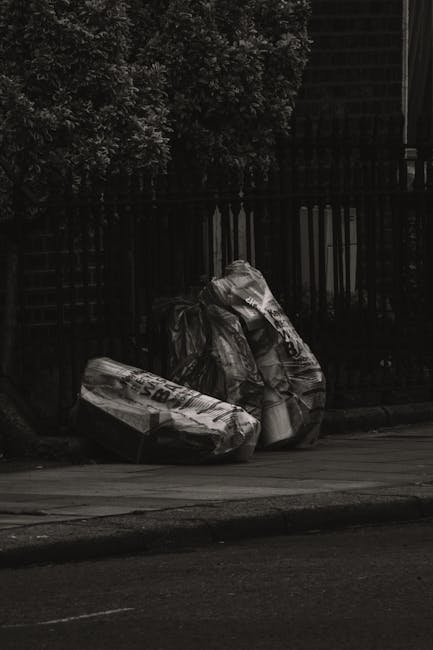
Shoreditch landlord bulky rubbish rules under Hackney Council
If you let property in Shoreditch, bulky waste is one of those jobs that looks simple until it suddenly isn't. A sofa turns up on the pavement. A broken wardrobe is left behind after a tenancy ends. Someone assumes the council will "just take it away." Then the complaints start. The Shoreditch landlord bulky rubbish rules under Hackney Council matter because waste left in the wrong place can quickly become a nuisance, a safety issue, and a very avoidable cost. This guide explains what landlords need to know, how bulky items are usually dealt with, and the practical steps that keep your property tidy, compliant, and far less stressful to manage.
We'll cover the basics, the common traps, the best way to plan removals, and the standards you should be thinking about before you leave anything on the kerb. Nothing fancy. Just the stuff that helps in the real world.
Quick takeaway: if bulky rubbish is connected to your rental property, don't assume the council will remove it as part of general collections. Check the disposal route, use the right service, and keep a record of what was removed and when.
Table of Contents
- Why Shoreditch landlord bulky rubbish rules under Hackney Council Matters
- How Shoreditch landlord bulky rubbish rules under Hackney Council Works
- Key Benefits and Practical Advantages
- Who This Is For and When It Makes Sense
- Step-by-Step Guidance
- Expert Tips for Better Results
- Common Mistakes to Avoid
- Tools, Resources and Recommendations
- Law, Compliance, Standards, or Best Practice
- Options, Methods, or Comparison Table
- Case Study or Real-World Example
- Practical Checklist
- Conclusion
- Frequently Asked Questions
Why Shoreditch landlord bulky rubbish rules under Hackney Council Matters
Let's face it: bulky waste is rarely just "one item." A mattress leads to an old bed base, then a chest of drawers, then a bag of loose bits that somehow appear from nowhere. In Shoreditch, where streets are busy and space is tight, even a short delay can make a property look neglected. That matters for tenant relations, neighbour complaints, and your wider reputation as a landlord.
There's also the practical side. Bulky rubbish that is left out without proper arrangement may be treated as fly-tipping or an obstruction, depending on how and where it is placed. That can mean extra hassle, and in some cases extra expense. More importantly, it can create avoidable clutter outside a building where delivery drivers, pedestrians, bin crews, and neighbours are already trying to navigate narrow streets.
For landlords, the main issue is accountability. If the waste came from your property, the problem is ultimately yours to solve, even if a tenant moved out in a hurry or left items behind. A good process saves time later. A messy process tends to return as a complaint, a bill, or both.
There's another layer too: tenants notice how a landlord handles the unglamorous bits. A clean reset after move-out says a lot. A pile of rubbish at the front door says something else entirely.
How Shoreditch landlord bulky rubbish rules under Hackney Council Works
In plain English, bulky waste is large household or mixed domestic-style waste that won't fit into ordinary bins. Think sofas, mattresses, wardrobes, tables, broken appliances, and similar items. The exact disposal route depends on what the item is, where it came from, and whether it counts as domestic or commercial waste.
In Hackney, landlords should not rely on guesswork. A bulky item may need a booked collection, a specialist removal service, or a skip depending on the amount and type of waste. If the property is being cleared after a tenancy, there may also be mixed waste from general living, damaged furniture, packaging, or items that need separating before disposal.
That separation matters. A mattress is not the same as a fridge. A sofa is not the same as construction rubble. And while the pile may all look like "junk" after a long day, the disposal rules usually don't see it that way. Annoying, yes. Necessary, also yes.
If you are managing several properties, the easiest approach is to build a standard waste plan. Decide in advance what goes to regular collections, what needs a bulky pickup, and what should go to a dedicated service such as rubbish removal, house clearance, or, for larger jobs, skip hire. That one decision can prevent a surprising amount of chaos later on.
One thing landlords often overlook is timing. If you wait until the last minute, you may be stuck with a sofa on the pavement, a cleaner asking what to do with it, and a tenant already waiting for checkout. Not ideal. Not even close.
Key Benefits and Practical Advantages
Using the right bulky waste process under Hackney Council expectations brings a few very real benefits.
- Cleaner handovers: Tenancies end more smoothly when the property is cleared properly before deep cleaning or re-letting.
- Lower complaint risk: Neighbours are far less likely to complain about odours, blocked pavements, or unsightly waste.
- Better tenant experience: A tidy exit can reduce disputes about who was responsible for leftover items.
- More predictable costs: Planning waste disposal in advance is usually cheaper than dealing with emergency collections or repeat visits.
- Better compliance: You reduce the chance of waste being handled in a way that could create environmental or local enforcement issues.
There is also a business benefit that is easy to miss. A well-run waste routine makes your property operations feel calmer. Your cleaners know what to expect. Your contractors know where access is. Your tenants see that things are handled properly. It sounds small, but the difference between "we'll sort it later" and "this is already arranged" is huge.
For landlords with HMOs, flats above shops, or properties with limited street space, this becomes even more valuable. Shoreditch is busy at the best of times; there's often not much room for improvisation.
Who This Is For and When It Makes Sense
This topic matters if you are any of the following:
- a private landlord with a single flat or house in Shoreditch
- a landlord managing multiple rental properties in Hackney
- a letting agent organising end-of-tenancy clearances
- a property manager arranging refurbishments between tenancies
- a freeholder or resident manager dealing with abandoned bulky items in shared areas
It makes sense whenever bulky items appear after a move-out, tenant turnover, refurbishment, or clearance of a vacant property. It also matters if you have storage areas, basements, lofts, or communal spaces where old furniture quietly builds up. You know the sort of thing: one old armchair becomes three, then suddenly there's a pile of "temporary" stuff that has been there for months.
If the waste is tied to a business use rather than a domestic tenancy, your route may be different again. That is why landlords should always ask one basic question first: is this domestic bulky waste, commercial waste, or construction waste? Once you answer that properly, the rest gets much easier.
Step-by-Step Guidance
1. Identify exactly what needs removing
Walk the property and list the bulky items clearly. Separate furniture, appliances, general rubbish, garden waste, and building materials. If you are dealing with a full clearance, take photos. It saves time later and helps avoid that awkward "I thought the mattress was included" conversation.
2. Decide whether the waste is domestic or non-domestic
Domestic bulky waste is usually linked to household living. Commercial waste may apply if the items came from an office, shop, or business premises. Mixed waste from refurbishment can fall into a different category again. This distinction matters because the disposal method, pricing, and collection approach can vary quite a bit.
3. Check access and loading conditions
In Shoreditch, access is often the deciding factor. Can a vehicle stop nearby? Is there a lift? Is there a narrow stairwell? Do you need same-day removal because a tenant is leaving in a rush? If access is awkward, a flexible service such as man and van or wait and load skip hire may be more practical than a traditional static skip.
4. Choose the right disposal method
Pick the option that fits the size and type of load. Small loads may suit a van-based collection. Larger landlord clearances may suit a skip or grab-style collection. If the property is being stripped out or prepared for works, a service like builders waste removal or construction waste disposal may be more appropriate.
5. Separate any prohibited or specialist waste
Some items need special handling, such as fridges, certain electricals, or materials that may be hazardous. Do not mix those with ordinary bulky rubbish. If in doubt, isolate them and confirm the correct route. That's the boring bit, yes, but it saves headaches.
6. Schedule removal before the handover deadline
Book the collection early enough to avoid blocking cleaners, decorators, or new tenants. If the property is likely to generate more waste than expected, build in slack. Time pressure is where mistakes creep in.
7. Keep a simple record
Retain notes, photos, invoices, and confirmation of collection. If a tenant later disputes responsibility, a small paper trail is worth its weight in tea and sanity.
Expert Tips for Better Results
A few practical habits make bulky waste management much easier for landlords.
- Bundle waste by type before collection day. It speeds up loading and reduces confusion.
- Use photos at checkout. A clear picture of each room, hallway, and external area is incredibly useful.
- Plan for the "extra item" problem. There is usually one more chair, one more bag, one more mystery object.
- Choose access-friendly services for tight streets. Shoreditch roads can be tricky, especially at busy times.
- Think about recycling and reuse first. Not everything bulky needs to become waste if it can be passed on, recycled, or handled through a broader clearance route.
In our experience, the landlords who stay calm about bulky rubbish are usually the ones who have a routine. They do not try to improvise on a Tuesday afternoon with a building full of dust and a cleaner waiting at the door. They have already chosen the disposal route. Simple, but effective.
Also, don't underestimate the value of clear instructions to tenants. If you are expecting them to remove bulky items before they leave, say so early and in writing. Ambiguity is expensive. And frankly, it never ages well.
Common Mistakes to Avoid
Most bulky waste problems are avoidable. They come from rushing, guessing, or assuming someone else will deal with it.
- Leaving items on the pavement without arranging collection. This can create complaints and enforcement risk.
- Mixing furniture with specialist waste. Not every load can be treated the same way.
- Waiting until checkout day to organise removal. That is when prices, availability, and stress can all go the wrong way at once.
- Forgetting communal areas. Landlords often clear the flat but miss the bike store, hallway, or bin area.
- Assuming tenants know the rules. Many do not. A polite reminder beats an argument later.
- Choosing the cheapest option without checking access. Cheap can be expensive if the crew cannot actually get the item out.
A surprisingly common issue is the "half-clearance." Someone removes the easy bits and leaves the awkward ones behind. Then you are dealing with a damaged wardrobe, one mattress, and a pile of loose packaging. The job has not been done; it has just been delayed.
Tools, Resources and Recommendations
You do not need a huge toolkit to manage bulky rubbish well, but a few practical tools help a lot.
- A property inspection checklist: useful for move-outs and void periods.
- A camera or phone with good timestamped photos: helps document condition and waste left behind.
- Labelled bags or tape: keeps salvage, recycle, and dispose piles separate.
- Access notes for the building: parking restrictions, stair widths, entry codes, lift limits, and loading points.
- A clear booking channel: if you use a provider regularly, keep the process simple.
For larger or messier clearances, it can help to compare different disposal routes. If the items are mostly domestic furniture, domestic skip hire may suit you. If you are emptying an office or mixed-use property, office clearance or commercial skip hire could be a better fit. If you are dealing with a loft full of forgotten furniture and odds and ends, garage and loft clearance can be useful too.
Some landlords also look at skip sizes and prices before booking, which is sensible. A small skip that overflows by lunchtime is not a bargain. It is just a slightly early disappointment.
Law, Compliance, Standards, or Best Practice
Waste disposal for landlords touches on more than convenience. You should always think about legal responsibility, local expectations, and sensible best practice. While the exact process can vary by waste type and property use, a few broad principles are steady.
First, do not place waste where it blocks pavements, entrances, exits, or communal routes. Even temporary placement can become a problem if it creates a hazard or encourages fly-tipping. In a busy part of London, that risk is amplified because footfall, deliveries, and bin access are all squeezed into a small space.
Second, keep waste streams separate where possible. Furniture, general rubbish, recyclable materials, electricals, and specialist items should not all be thrown together without checking how they are handled. Good separation supports better recycling outcomes and reduces the chance of disposal errors.
Third, use a provider that can explain what they take and how it is handled. A decent waste contractor should be able to tell you which items are accepted, what needs to be separated, and what preparation is needed. If they cannot explain the basics clearly, that is a yellow flag.
Fourth, maintain records. For landlords, records are not bureaucratic fluff. They are practical protection. Photos, booking confirmations, and invoices can be helpful if there is ever a question about abandonment, tenant responsibility, or service timing.
Best practice is not about being perfect. It is about being predictable, safe, and fair. That is usually what keeps everyone out of trouble.
Options, Methods, or Comparison Table
Here is a simple comparison of common ways landlords handle bulky rubbish in Shoreditch.
| Method | Best for | Strengths | Watch-outs |
|---|---|---|---|
| Bulky item collection / rubbish removal | One-off furniture, mixed household items, smaller landlord clearances | Fast, straightforward, little on-site storage | May be less efficient for very large volumes |
| Skip hire | Medium to large volumes, ongoing clear-outs, renovation waste | Good capacity, flexible loading window | Needs space and may require a permit or access planning |
| Wait and load | Tight streets, short stopping windows, urgent removals | No long-term skip placement, quick turnaround | Requires the waste to be ready at collection time |
| Man and van | Smaller loads, awkward access, fast landlord handovers | Flexible, good for mixed items, useful in narrow roads | Not always ideal for bigger refurbishment loads |
| House or flat clearance | End-of-tenancy clearances, abandoned contents, whole-property emptying | Comprehensive, saves time, reduces piecemeal organising | May cost more than a single-item collection |
If your job includes broken fittings, heavy rubble, or strip-out waste, consider services that are built for that kind of load, such as builders skip hire, demolition waste removal, or site clearance. The point is not to find the fanciest option. It is to match the method to the mess. That sounds obvious, but people skip this step all the time.
Case Study or Real-World Example
Picture a Shoreditch flat at the end of a tenancy. The tenant has moved out, the carpets need cleaning, and the new occupier is due in a few days. In the living room, there is a sofa, a broken coffee table, and two bags of mixed waste. In the bedroom, an old mattress is still leaning against the wall. Nothing dramatic. Just enough to derail the schedule.
The landlord first separates the items into reusable, recyclable, and general waste. The sofa is too large for the building lift, and the staircase is narrow, so a quick internal carry-out isn't realistic. Instead of leaving it outside, they arrange a collection service that can handle the load from inside the property and remove the items in one visit. The mattress is included in the same booking, while the small bags go out through normal waste channels if appropriate.
Because the landlord has already taken photos, there is no dispute about what was left behind. Because the removal is booked before cleaning, the decorators can work the next morning without tiptoeing around furniture. And because the waste is handled properly, the front of the building stays clear. It is a fairly ordinary story, truth be told, but ordinary is exactly what you want with rubbish.
That kind of simple process is often the difference between a smooth turnover and a week of low-level irritation.
Practical Checklist
Use this checklist before booking a bulky rubbish collection for a Shoreditch rental property:
- Confirm the exact items that need removal.
- Separate domestic waste, furniture, appliances, and any specialist items.
- Take photos before moving anything.
- Check access, parking, stairways, and loading space.
- Decide whether you need clearance, skip hire, or a smaller van-based collection.
- Flag any items that may need special handling.
- Schedule the removal before cleaners, decorators, or new tenants arrive.
- Keep invoices, booking confirmations, and collection notes.
- Tell tenants clearly what they must remove themselves.
- Double-check communal areas, storage cupboards, and outside spaces.
If you can tick all of those off, you are already ahead of many landlords. A little dull, maybe. Very effective, definitely.
Conclusion
The Shoreditch landlord bulky rubbish rules under Hackney Council are really about good property management, careful planning, and not leaving a mess for someone else to sort out. If you treat bulky waste as part of the tenancy cycle rather than an afterthought, you will save time, reduce complaints, and make each handover cleaner and calmer.
The key is simple: identify the waste correctly, choose the right removal method, keep records, and do not leave bulky items sitting around hoping they will disappear by magic. They rarely do. If anything, they seem to multiply overnight.
For landlords, a tidy clearance is more than housekeeping. It is part of running a reliable, respectable rental business in a busy part of London. And that, in the end, is what people notice.
Get a free quote today and see how much you can save.
Frequently Asked Questions
What counts as bulky rubbish for a Shoreditch rental property?
Bulky rubbish usually means items too large for normal bins, such as sofas, mattresses, wardrobes, tables, and similar household items. In landlord situations, it often includes left-behind furniture after a tenancy ends.
Can I just leave bulky waste on the pavement for collection?
No, not as a default approach. Waste should be arranged for proper collection and should not be left in a way that blocks the pavement, creates a hazard, or risks being treated as fly-tipping.
Do landlords or tenants have to deal with bulky rubbish?
It depends on the tenancy agreement and who caused the waste, but in practice landlords often have to organise the clearance if items are left behind. Clear instructions before checkout help avoid disputes.
Is bulky waste from a rental property the same as commercial waste?
Not always. If the waste comes from normal residential use, it is usually treated differently from waste generated by a business or trade activity. The category matters because it affects the disposal route.
What is the best option for a small end-of-tenancy clearance?
For small loads, a van-based removal or a simple clearance service is often the easiest choice. If access is tight, that can be more practical than a skip, especially in busy Shoreditch streets.
When should I book bulky waste removal?
Ideally before the tenancy ends or as soon as you know what is being left behind. Last-minute bookings can be more stressful, and you may have less flexibility on timing.
Can old appliances be removed with bulky waste?
Sometimes yes, but appliances such as fridges or other electricals may need to be handled separately. Always check whether the item needs specialist treatment before mixing it with general rubbish.
Is a skip better than a clearance service?
That depends on space, volume, and access. A skip suits larger loads and ongoing work, while a clearance service may be better for tight streets, quick turnarounds, or mixed items from a tenancy.
What records should a landlord keep?
Keep photos, booking confirmations, invoices, and notes about what was removed. A short record can be very useful if there is a later dispute about responsibility or timing.
How can I reduce bulky waste at move-out?
Use a clear checkout process, remind tenants what must be removed, and inspect storage areas, cupboards, and communal spaces. A few careful checks usually prevent the worst surprises.
Does bulky waste need to be recycled?
Where possible, yes. Good practice is to separate reusable or recyclable items from general rubbish. Not everything can be reused, of course, but a thoughtful approach usually improves the overall outcome.
What should I do if a tenant leaves a large amount of rubbish?
Document the condition immediately, separate the items if possible, and arrange the correct removal route as soon as you can. Keeping a calm record of what was left often helps more than reacting in the moment.